Music isn’t just a fun activity—it’s a powerful brain booster for kids! Research shows that learning music can enhance cognitive skills, improve academic performance, and even strengthen emotional intelligence. Whether your child is banging on desk bells, strumming a guitar, or playing a recorder, they’re not just making music—they’re building a smarter brain.
Surprising Music Facts for Parents
🎶 Higher IQ Scores – Studies show that children who take music lessons score 7.5 points higher on IQ tests than those who don’t!
🎵 Better Language Development – Learning an instrument strengthens the same brain areas used for reading and speech processing.
🥁 Stronger Math Skills – Music students outperform non-musicians in fractions, patterns, and problem-solving.
🎼 Improved Memory & Focus – Playing an instrument requires kids to multitask, strengthening their working memory and attention span.
🎤 Boosted Emotional & Social Skills – Music helps children express emotions, work in groups, and build confidence.
Why Music Works Like Magic for Brain Growth
When kids engage in music, both sides of their brain light up with activity. Scientists call this “neuroplasticity”—the brain’s ability to rewire itself. This means that the more kids practice music, the stronger their critical thinking, creativity, and coordination become.
Best Instruments to Get Started
✅ Desk Bells & Color-Coded Notes – Perfect for young beginners and visual learners
✅ Recorder – Teaches breath control, fine motor skills, and reading music
✅ Piano – Builds a strong foundation for note-reading and hand coordination
✅ Guitar & Ukulele – Great for ear training, finger dexterity, and rhythm
How to Make Music a Fun, Everyday Habit
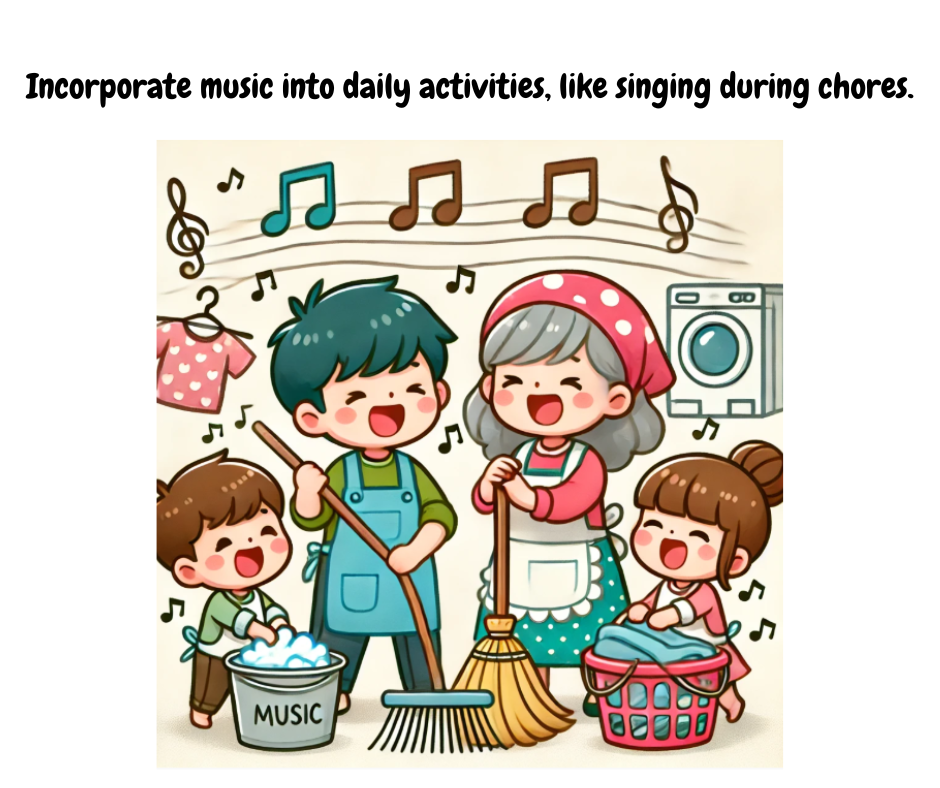
🎶 Sing & Play Along – Incorporate music into daily activities, like singing during chores or playing along with a favorite song.
📚 Combine Music & Learning – Use music-based literacy activities (like the Vowel Song! coming soon from Music and Me Academy) to help with reading skills.
🎧 Encourage Active Listening – Ask kids to clap, dance, or play along with songs to improve rhythm and memory.
🕒 Keep It Short & Fun – Even 5-10 minutes of practice per day can make a big difference in brain development!
Final Thought: Music is Brain Training Disguised as Fun!
If you want to give your child an academic, emotional, and social edge, music is one of the best ways to do it. From improving focus to boosting confidence, the benefits of learning an instrument are backed by science—and the best part? Kids love it!
Want to learn more about getting your child started with music? Check out my lessons, interactive music programs, and fun learning activities today on my blog or you can contact me here.


Leave a Reply